Protecting Whistleblowers Takes More Than Keeping a Name Out of a Story
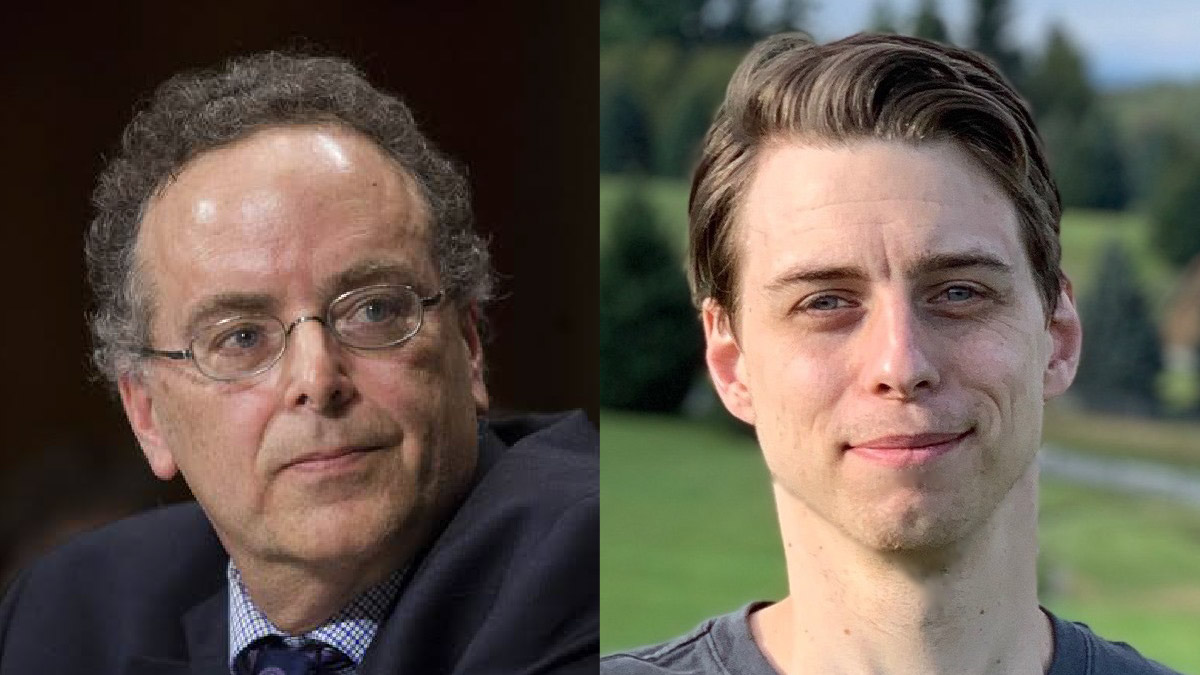

KKC Partner advised student journalists on working with whistleblower sources.
On November 11, 2026, Kohn, Kohn & Colapinto founding partner Stephen M. Kohn joined a virtual event hosted by the Society of Professional Journalists, the New England chapter of SPJ, Project Censored and the Park Center for Independent Media at Ithaca College.
Moderated by journalist Kevin Gosztola, the discussion focused on how reporters can work with whistleblowers safely and why the laws protecting them deserve far more coverage.
Why Whistleblowers Matter
Kohn, who is also Chairman of the Board of the National Whistleblower Center, explained that a whistleblower is someone who reports violations of law, safety hazards, or other matters of genuine public interest to the government, the press, or even their own employer.
The biggest obstacle, he said, is not the character of whistleblowers but the fear that keeps most potential whistleblowers silent.
Kohn noted that crimes of corruption are designed to stay hidden, and whistleblowers have become the top source of fraud detection. “Whistleblowers are the number one source of all fraud detection, period, bar none,” he stated.
Journalists Must Go Beyond Keeping a Name Secret
Kohn said the traditional safety net, in which reporters refused to name their sources even at the risk of jail, is no longer enough. Companies and the government can now run forensic searches of emails and computers to identify whistleblowers quickly and at a low cost.
Thus, Kohn urged journalists to protect any secondary information that could lead to a source, even if that means delaying a story or leaving out details that could reveal a whistleblower’s identity. He added that reporters who earn a reputation for going the extra mile to protect sources will attract more whistleblowers over time, and that his firm steers clients toward or away from reporters based on that reputation.
He pointed to the Reality Winner case as an example. According to Kohn, The Intercept agreed not to publish her name but provided the government with a copy of the document, which contained information that could be traced back to her.
Using the First Amendment and Prepublication Review
Kohn emphasized that the First Amendment is the first and most critical whistleblower law, and that there are lawful ways to bring even national security information to the public. He described how whistleblowers with security clearances can submit their disclosures for government pre-publication review, a process with strict time limits and the right to challenge any censorship before a federal judge.
Under this approach, Kohn said, the submission becomes protected First Amendment speech, and the government often clears the material rather than risk drawing attention to a censorship fight. Kohn said his firm has used this process to help current and former FBI personnel go on national television with permission and without losing their jobs.
Rewards, Anonymity and the Birkenfeld Case
Kohn described how modern whistleblower laws combine confidential, anonymous filing through an attorney with financial incentives. Under the IRS, SEC, and similar whistleblower programs, whistleblowers can receive 10-30% of sanctions, while the False Claims Act provides 15-30% of recoveries.
These incentives, Kohn said, have brought forward chief financial officers, executive vice presidents and even CEOs.
He cited the case of UBS banker Bradley Birkenfeld, who received a $104 million award from the IRS. The initial sanction against UBS was $780 million, and the U.S. government ultimately recovered $4.1 billion after UBS was forced to turn over the names of American clients. Kohn credited extensive press coverage of the case with encouraging more tax cheats to turn themselves in and more bankers to consider blowing the whistle.
Underreported Laws and Stories
Kohn called the Anti-Money Laundering Whistleblower Improvement Act of 2022, which he helped draft, potentially “the best whistleblower law ever,” noting that it reaches everything from bribery to cartels to terrorist financing. He also said that the new laws allow “analysts” outside a company, including journalists and NGO researchers, to qualify for awards by assembling information the government did not have.
Kohn argued that False Claims Act cases and similar enforcement actions are rich sources of stories that go largely unreported, from unnecessary surgeries billed to Medicare to contractors that supplied unlicensed doctors to a juvenile facility. He said the public needs to know how effective these laws are at protecting them.
The Espionage Act and Non-Disclosure Agreements
Responding to an audience question, Kohn said the Espionage Act should be repealed, explaining that it was passed in 1917 and 1918 to target anti-war speech and that its severe penalties push defendants to plead guilty before courts can consider First Amendment defenses.
On non-disclosure agreements, Kohn said many are illegal and are written broadly to scare off most employees. He noted that NDAs restricting disclosures to Congress are essentially illegal on their face, and that a whistleblower can go to a member of Congress or another elected official who can then work with a journalist.
Advice for Student Journalists and Organizations
To reassure reluctant sources, Kohn recommended offering off-the-record or not-for-attribution guarantees and building trust over time. He encouraged organizations like SPJ to hold seminars on modern source protection, NDAs, and national security issues.
Kohn’s advice to journalists is to educate themselves on the laws governing whistleblowing and to conform their practices to those laws. Kohn’s book Rules for Whistleblowers, which includes a section for journalists, is available at a 50% discount to viewers of the event.
Individuals considering blowing the whistle should first consult an experienced whistleblower attorney.
Latest News & Insights

October 16, 2024