KKC Tech Analyst Highlights Urgent Gaps in AI Regulation and Whistleblower Law
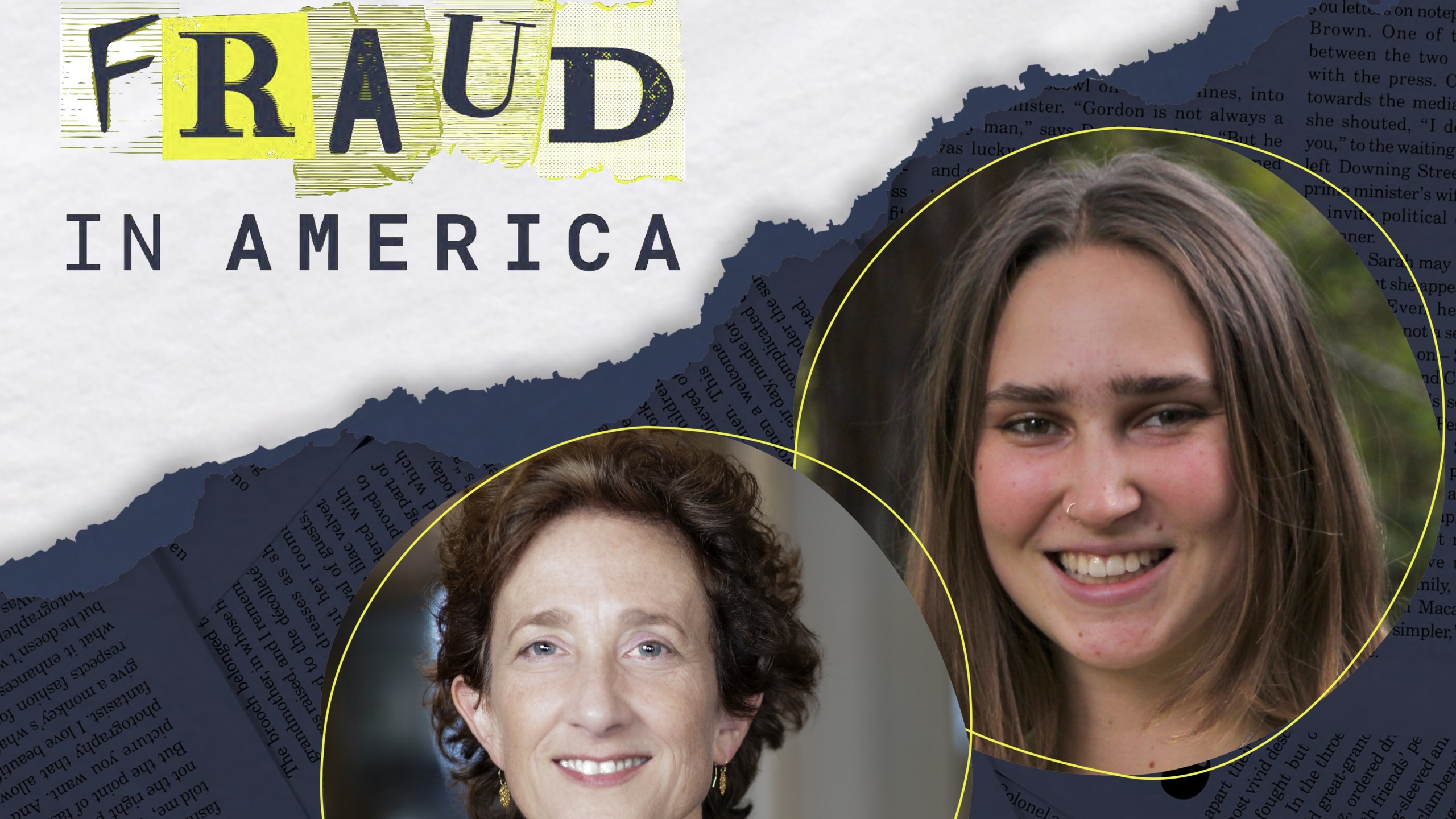

In the second installment of Taxpayers Against Fraud’s series on AI Regulation and Whistleblowing, Senior Tech Policy Analyst Sophie Luskin of Kohn, Kohn & Colapinto LLP joined a panel of leading experts to examine the increasingly pressing intersection of law, policy, and artificial intelligence.
Moderated by TAF’s Jacklyn DeMar, Luskin joined fellow panelist Claire Sylvia, partner at Phillips & Cohen LLP, to discuss the current state of government AI regulation, the potential impacts of the proposed AI Whistleblower Protection Act (AIWPA), and how the False Claims Act (FCA) may apply to AI-related misconduct.
Luskin opened by breaking down the evolving patchwork of state-level AI policy, citing the Future of Privacy Forum’s State of State AI report, noting that many states are shifting away from broad governance frameworks and instead targeting specific high-risk uses of AI, particularly in sensitive decision-making contexts. She and Sylvia then examined California’s Transparency and Frontier Artificial Intelligence Act (SB 53) — a bill they described as a step in the right direction, but one that may fall short in protecting whistleblowers due to its narrow definitions of protected disclosures and covered employees.
Pivoting to the federal level, Luskin emphasized the necessity of Senator Chuck Grassley’s AI Whistleblower Protection Act, which shores up many of the weaknesses in state-level regulation. Unlike SB53, the bill has a much broader definition of AI safety and security violations and vulnerabilities and includes many whistleblower protections that California’s law lacks, such as safeguards against retaliation. The bill would provide a clearer pathway for current and former employees and contractors in AI to report potential misconduct in the development and deployment of AI systems.
When asked about future FCA cases involving AI, Sylvia, author of a widely cited FCA treatise, predicted that many AI-related FCA actions may mirror existing tech-sector cases, such as situations where companies misrepresent AI capabilities in government contract work.
The podcast concluded with a call to action from Luskin, who underscored the bill’s potential significance:
“[The AIWPA] will be extremely impactful on people’s belief in their ability to come forward…It would be a signal to so many workers in the AI industry and beyond… that they can come forward with potential violations as long as they believe wrongdoing is happening.”
Listen to the full podcast here.
To support the AIWPA and protect AI whistleblowers, write to your representatives here.
[/fusion_text][/fusion_builder_column][/fusion_builder_row][/fusion_builder_container]Latest News & Insights
November 19, 2025