HMRC Launches Strengthened Tax Whistleblower Reward Scheme: A New Era for UK Tax Compliance
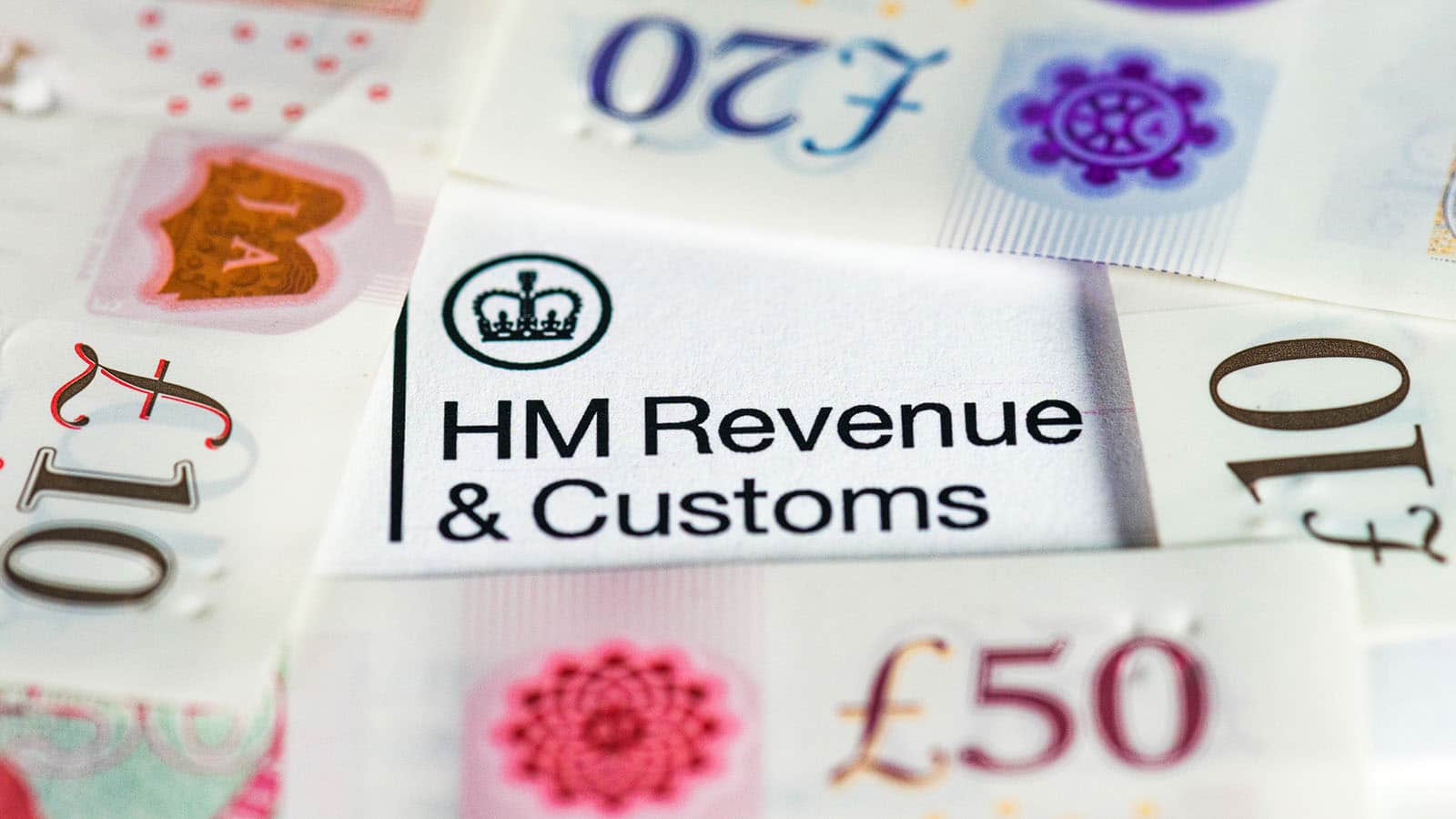

The United Kingdom has officially launched its Strengthened Reward Scheme for tax whistleblowers, marking a historic transformation in the country’s approach to combating serious tax avoidance and evasion.
Announced on November 28 by His Majesty’s Revenue and Customs (HMRC), the new program adopts a US-style incentive model that could deliver multi-million-pound rewards to individuals who report high-value tax fraud.
A Fundamental Shift in UK Tax Enforcement
The new scheme represents a dramatic departure from the UK’s previous informer payment system, which has long been criticized for offering minimal, discretionary awards that failed to incentivize reporting of serious tax crimes.
Under the old model governed by the Commissioners for Revenue and Customs Act 2005, HMRC paid out just £978,256 to all informants combined in the 2023/24 fiscal year—a figure dwarfed by the UK’s estimated £46.8 billion tax gap.
The Strengthened Reward Scheme changes everything. It supplements the existing 2005 Act by creating a parallel pathway specifically designed for high-value cases involving large corporations, wealthy individuals, and offshore or tax avoidance schemes.
Key Features of the New Program
According to HMRC’s official guidance released today, the scheme includes several groundbreaking enhancements:
US-Style Percentage-Based Rewards
The most significant change: whistleblowers can now qualify for rewards between 15% and 30% of the tax collected if their information leads to the collection of at least £1.5 million in tax (excluding penalties and interest). This mirrors the highly successful IRS whistleblower program, which has recovered over $7.4 billion in unpaid taxes since 2007.
No Upper Cap
Unlike many reward programs, there is no maximum limit on payments. A tip that leading to the recovery of £100 million could yield a reward of £15 million to £30 million for the whistleblower, creating a genuine incentive for insiders with knowledge of massive fraud schemes to come forward.
Clear Qualification Guidelines
HMRC has published transparent criteria for what constitutes a qualifying disclosure and the factors that determine the final reward percentage, including the quality of information provided and the degree of assistance offered during the investigation.
Enhanced Process
The new system provides clearer pathways for reporting, with HMRC committing to notify whistleblowers when their report is received and to contact them if more information is needed or if they are eligible for a reward.
Who Can Qualify?
To be eligible for a reward under the Strengthened Reward Scheme, several conditions must be met:
You can qualify if:
- Your information leads to the collection of at least £1.5 million in tax
- The information is original, specific, and not already known to HMRC
- You are not the taxpayer involved in the evasion or someone who planned the fraudulent activity
- You are not a current or former civil servant who obtained the information through your employment
You cannot qualify if:
- You obtained information through government employment
- You are acting anonymously (anonymous reports are accepted but cannot receive payment)
- You are acting on behalf of someone else
- The information could have been identified through HMRC’s routine processes
- You are required by law to disclose or not disclose the information
Why This Matters
The UK’s tax gap—the difference between tax owed and tax collected—stood at £46.8 billion for the 2023/24 fiscal year, representing approximately 5.3% of total tax liabilities. Much of this gap stems from sophisticated schemes by large corporations and wealthy individuals that are extremely difficult for authorities to detect without inside information.
Research has consistently demonstrated that financial incentives dramatically increase whistleblower reporting. A landmark 2010 study found that in US industries with substantial monetary rewards for whistleblowers, employees exposed 41% of fraudulent activity, compared to just 14% in those without such incentives — a stark 27-percentage-point difference.
The Royal United Services Institute (RUSI), in its report “The Inside Track,” concluded that financial rewards are empirically proven to drive greater insider reporting, provide actionable intelligence, and deter economic crime.
Important Considerations
While the new scheme represents a major advancement, HMRC emphasizes that rewards remain discretionary and are not guaranteed. This differs from the US model, where qualifying whistleblowers have a statutory right to payment.
Experts advise potential whistleblowers to:
- Seek experienced legal counsel before making a disclosure
- Consider negotiating a written agreement with HMRC regarding award terms
- Understand that tax investigations can take years to complete
- Never attempt to gather additional information or let anyone know about the report
- Do not make multiple reports on the same activity
How to Report
Individuals with information about serious tax avoidance or evasion can report through HMRC’s official reporting system at www.gov.uk/report-tax-fraud. All information provided will be treated as private and confidential. Reports should include:
- Detailed description of the activity (up to 1,200 characters)
- How you know about the activity
- Your relationship to the individual or business
- Duration of the fraudulent activity
- Total value or estimation
- Description of supporting information available
Looking Ahead
However, the program’s ultimate success will depend on HMRC’s commitment to honoring its reward promises and the government’s willingness to strengthen anti-retaliation protections for whistleblowers who risk their careers to expose wrongdoing.
For individuals considering reporting tax fraud, the message is clear: the UK has fundamentally changed how it values and rewards those who help protect the public treasury.
Latest News & Insights

December 9, 2021