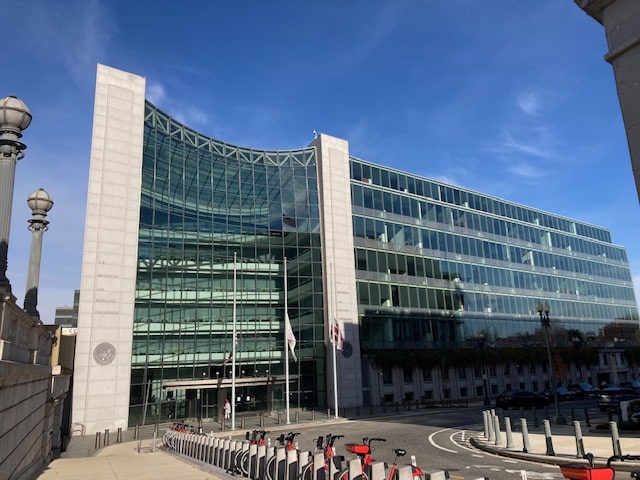
Cherry-Picking: SEC Whistleblower Rewards for Reporting Financial Misconduct
Cherry-picking involves presenting favorable financial data while omitting unfavorable results, leading to deception in areas like trading and research. To combat this, the U.S. Securities and Exchange Commission established the Whistleblower Program, offering rewards to those who report such malpractices.
February 11, 2026


This information is provided for educational purposes only by Kohn, Kohn & Colapinto and does not constitute legal advice. No attorney-client relationship is created by accessing this content. Laws and regulations may change, and this material may not reflect the most current legal developments. If you believe you have a whistleblower claim, consult a qualified attorney to discuss your specific circumstances.
Cherry-picking is the deceptive practice of showcasing only favorable financial data or results while omitting unfavorable outcomes. This can be misleading and has been the subject of SEC enforcement actions in investment portfolios, trading, and research.
Addressing such deceptive practices, the U.S. Securities and Exchange Commission (SEC) introduced the Whistleblower Program, which rewards individuals who bring to light these kinds of practices. The SEC Whistleblower Program has distributed nearly $2 billion in awards to almost 400 whistleblowers as of fiscal year 2023, with the largest single award being $279 million. Importantly, individuals can receive rewards ranging from 10% to 30% of the monetary penalties collected from enforcement actions that result from their information, provided the sanctions exceed $1 million.
Continue reading to learn more about the SEC Whistleblower Program and what you can do to report cherry-picking if you spot it happening.

Ex-SEC Acting Chair Allison Herren Lee Joins Our Firm to Protect Securities Fraud Whistleblowers
As Of Counsel at Kohn, Kohn & Colapinto, Allison Herren Lee brings her expertise to support whistleblowers under the Dodd-Frank Act and SEC Whistleblower Program. If you are seeking whistleblower guidance, arrange a confidential consultation with Allison Lee today.
Cherry-Picking and The SEC Whistleblower Program
The SEC Whistleblower Program was created under Section 922 of the Dodd-Frank Wall Street Reform and Consumer Protection Act in 2010, codified as Section 21F of the Securities Exchange Act. Its primary purpose is to motivate people to report violations of federal securities laws, such as cherry-picking, by promising whistleblower rewards and protection against retaliation.
Whistleblowers are often employees or insiders who might be at risk of retaliation from their employers for reporting cherry-picking. Recognizing this, the program offers substantial protections, which may include safeguards like reinstatement and compensation for any lost wages, in cases where retaliation occurs.
One of the main incentives for whistleblowers is the monetary reward.
SEC Whistleblower Rewards:
- Percentage: 10% to 30% of monetary penalties
- Minimum threshold: Sanctions must exceed $1 million
- Determination factors: Information importance, assistance level, deterrence value, whistleblower risk
These factors consider the importance of the information provided, the assistance given by the whistleblower during the investigation, the interest of the program in deterring cherry-picking, and the potential risk the whistleblower took upon themselves.
Eligibility for the program doesn’t hinge on a minimum fraud amount.
Instead, the focus is on the significance of the fraud. While anyone can report cherry-picking, maintaining anonymity requires the whistleblower to be represented by an attorney. This attorney acts as a buffer, ensuring the whistleblower’s identity remains confidential, while the SEC still gets the information it needs.
Big Cherry-Picking Cases
The SEC has taken action against multiple instances of cherry-picking over the years, and these cases serve as a reminder of the regulatory body’s vigilance in ensuring fairness and transparency in financial markets.
- Michael S. Moses of STA Opus LLC: In 2015, the SEC charged Michael S. Moses and his investment advisory firm, STA Opus LLC, with cherry-picking securities trades. Moses was alleged to have allocated a disproportionate amount of profitable trades to his personal and business accounts, while allocating unprofitable trades to his clients’ accounts. STA Opus agreed to settle the charges, and Moses faced penalties, including disgorgement and a permanent bar from the securities industry.
- Michael J. Breton and Strategic Capital Management: In 2017, the SEC charged Massachusetts-based investment adviser Michael J. Breton with fraudulently earning approximately $1.3 million in illicit profits by engaging in cherry-picking. Breton allegedly placed trades through a master brokerage account and then allocated profitable trades to his personal accounts while distributing the unprofitable ones to accounts of his clients. Breton agreed to plead guilty to a parallel criminal case and was ordered to pay back his ill-gotten gains and penalties.
- Thomas C. Gonnella: In 2013, the SEC charged Thomas C. Gonnella with a cherry-picking scheme where he arranged for favored accounts to receive allocation of profitable trades. This misconduct was carried out over an 18-month period, and Gonnella profited at the expense of other accounts. He was ordered to pay disgorgement, interest, and penalties, and he was also barred from the securities industry.
These are just a few examples. The whistleblowers, in many such cases, have played a critical role in bringing such misconducts to light.
Reporting Cherry-Picking Anonymously
To report their concerns to the SEC, whistleblowers can use the online portal or opt for the traditional route of mailing or faxing a completed Form TCR (Tip, Complaint, or Referral). However, due to the complexity of cherry-picking, we suggest hiring an SEC whistleblower attorney; such as former SEC acting chair and commissioner, and now Of Counsel at KKC, Allison Herren Lee.
Interestingly, the program is not exclusive to U.S. residents. Whistleblowers from any part of the world can provide information, and the program’s protections and rewards apply to them equally. However, for those who wish to remain anonymous, having an attorney is essential. This attorney will be the main point of contact with the SEC, ensuring the whistleblower’s identity stays protected throughout the process.
After reporting an instance of cherry-picking or any other securities violation to the SEC, there are several tips and considerations that a whistleblower should be aware of:
- Await Contact – once a tip is submitted to the SEC, the whistleblower should await contact from the SEC staff. The staff may have additional questions or need further clarifications regarding the information provided.
- Maintain Confidentiality – it is crucial for the whistleblower to maintain confidentiality regarding their submission. Disclosing that they have reported to the SEC can compromise the investigation and may expose the whistleblower to potential retaliation or adverse consequences.
- Document Everything – whistleblowers should retain copies of all documents and correspondence related to their submission. This includes the original tip, any communications, and any additional evidence or information provided to the SEC.
- Stay Informed – while the SEC may not be able to provide regular updates due to the confidentiality of investigations, whistleblowers should periodically check in with their point of contact (or their attorney if they’re reporting anonymously) to stay informed about the progress of the investigation.
- Be Prepared for a Lengthy Process – SEC investigations can be lengthy, sometimes taking years before reaching a conclusion. Patience is essential. Rewards, if any, will only be determined after the SEC has completed its enforcement action and collected the monetary sanctions.
- Protection Against Retaliation – as stated in the previous text, the Dodd-Frank Act offers protections against employer retaliation for whistleblowers who report violations to the SEC. If a whistleblower feels they are facing retaliation for their actions, they should consult with an attorney to understand their rights and potential remedies.
- Claiming a Reward – once the SEC has taken action and if monetary sanctions exceed $1 million, whistleblowers can apply for a reward. The SEC will post a “Notice of Covered Action” on their website, indicating that the case is eligible for a whistleblower award. Whistleblowers (or their attorneys) must then file a claim for the reward within 90 days.
Even if acting as a whistleblower, individuals should ensure they continue to comply with all relevant laws and regulations. Being a whistleblower doesn’t grant immunity from potential legal consequences for any wrongdoing the whistleblower may have participated in.
Why Cherry-Picking Whistleblowers Are Essential for Market Integrity
Cherry-picking is a deceptive practice that can tarnish the integrity of financial markets. The SEC Whistleblower Program stands as a beacon of hope, encouraging individuals to come forward with information about such misconduct. With substantial rewards and strong protections in place, the program continues to play a vital role in maintaining financial market integrity.
Our Firm’s Cases

Environment & Human Rights Violations Exposed
Oil industry’s environmental crimes and cover-up in Colombia have been exposed. Whistleblower Andrés Olarte Peña, with the support of his attorneys Kohn, Kohn & Colapinto and the damning evidence compiled in the Iguana Papers, is calling for an investigation into Ecopetrol and its executives by the Colombian government and the U.S. Securities and Exchange Commission.

$30 Million Award
Protecting the confidentiality of Wall Street whistleblowers is among the most important breakthroughs in federal whistleblower law. Under the Dodd-Frank Act, whistleblowers can file anonymous cases, and everything about their case, including who they sued, remains secret.

$13.5 Million Award
Our firm represented an anonymous whistleblower, who on May 17, 2021, received a whistleblower award of almost $13.5 million. The SEC has issued more than $31 million in whistleblower awards related to this case.
![Reporting Recordkeeping Failures To The Sec [2025 Guide]](https://kkc.com/wp-content/uploads/2025/01/Recordkeeping-Failures.jpg)